
A Wrapped Perception
From Wrapped Monuments to Draped Bodies

The characters in play are: The Body as The Building, Architecture as Fashion, The Fabric around The Building as Clothing.

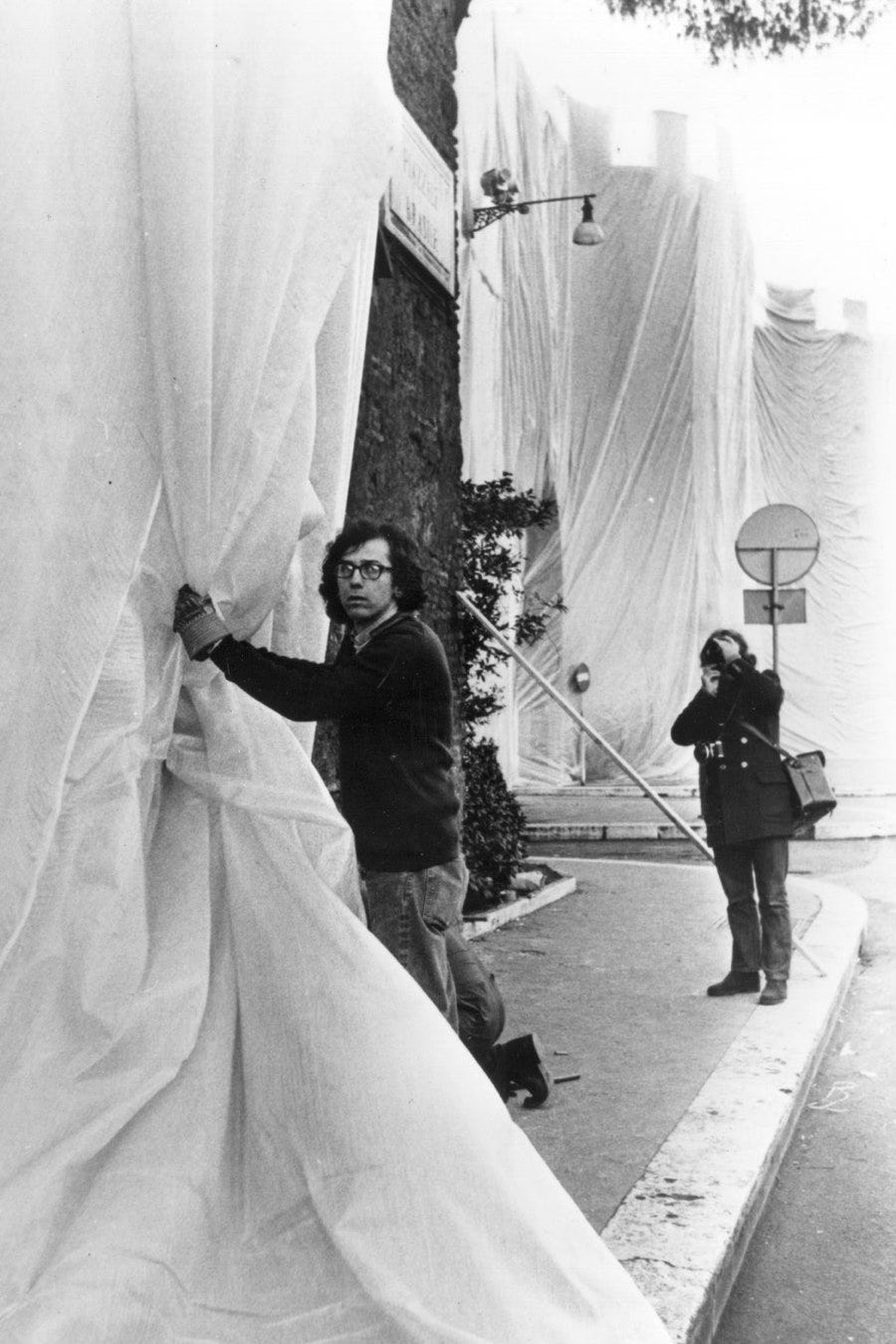
Christo began by wrapping everyday objects after settling in Paris. When he met Jeanne-Claude, the scale of his ideas expanded. Together, they wrapped everything from buildings and monuments to coastlines and entire islands.
Christo says he chooses not to define his own work. “In the end, Jeanne-Claude and I would always say, we do not know what the project is. Every interpretation of the project is legitimate—even the most critical and the most positive.”
So here is mine.
The absence of visible detail creates space for deeper perception. We’re wired to notice what’s missing around us. Our minds fill in the gaps, sharpen focus, and heighten emotional engagement. When Christo wrapped familiar structures, he triggered this exact response: people suddenly saw what they had never really looked at before something they had only ever glanced at.
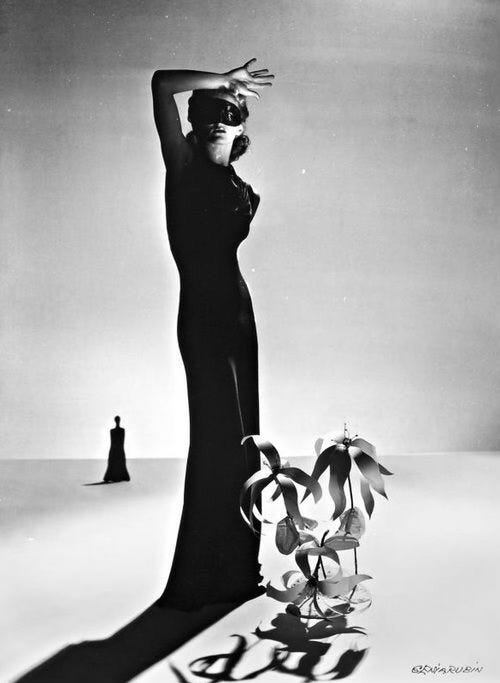
In fashion, the same thing happens when the body is obscured. Garments that veil, cocoon, or distort don’t erase the wearer, they create visual and emotional tension. An oversized shroud, a thick layer of neoprene, or a veil of translucent organza might reveal nothing directly yet they make the viewer more aware of the body within.
This is fashion as psychological space: a tension between concealment and intimacy, between mystery and presence.
“Beauty, for me, is somebody who looks at something that never existed before.”
— Christo
Once you notice the unnoticeable, defamiliarization begins a concept in aesthetics that makes the familiar unfamiliar so we can perceive it more deeply. It’s the art of seeing anew. Reimagining. A canvas that is not so empty that you get lost in, but empty enough to give you room to wonder, to perceive.
Beyond perception, wrapping also speaks to emotion and psychology. In both Christo’s work and fashion, wrapping can be a protective act a way of shielding, controlling, or holding something fragile. It can also feel ceremonial, intimate, or even confrontational. It taps into religion and emotion. A body wrapped in black organza might seem liberated and chic, but as soon as you wrap that same body in cotton, Muga, Pat silk, or Eri silk Chador the narrative shifts. The emotion shifts. The identity shifts. Depending on whether this wrapping is a personal choice or a cultural or religious obligation, it becomes more than clothing it becomes an emotional skin
.
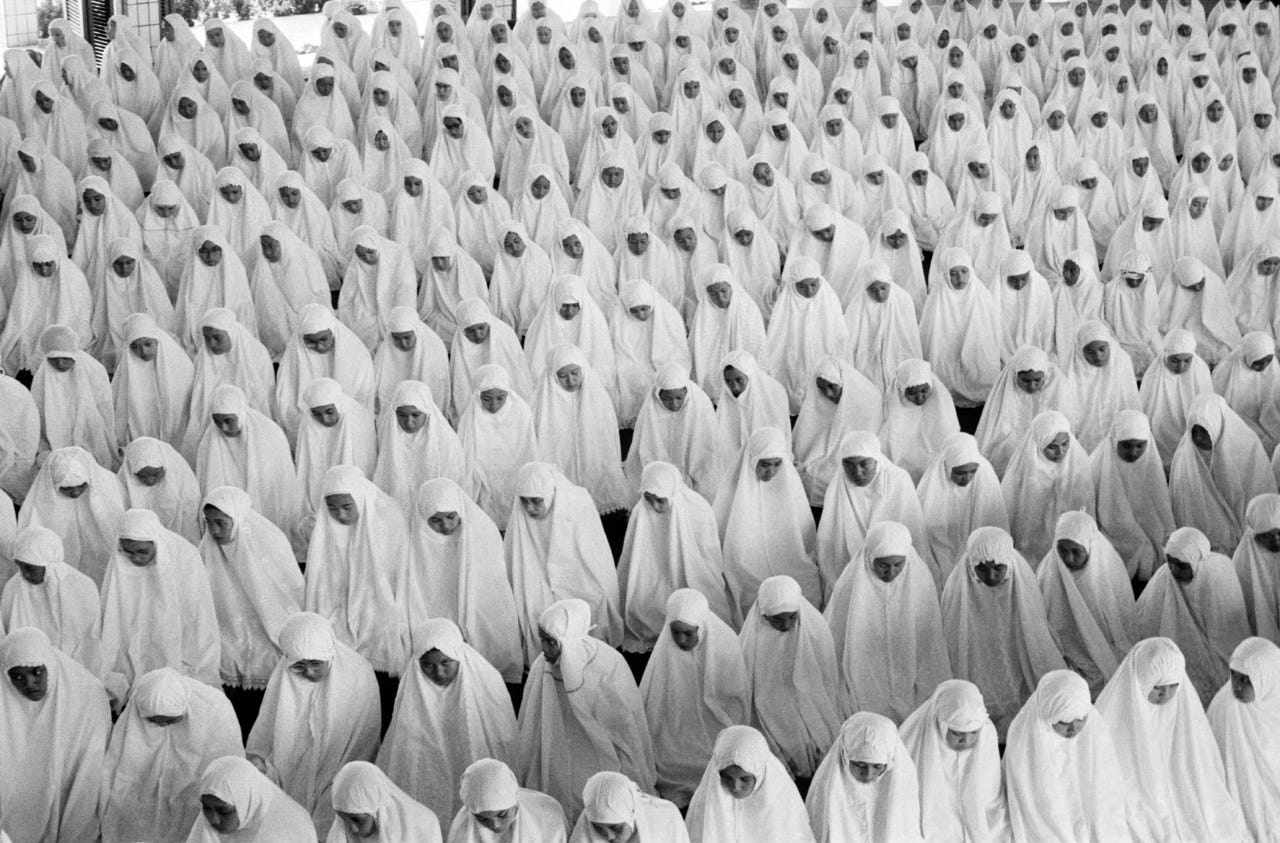
We don’t always need to reveal in order to communicate. Sometimes, in the act of covering, we become more visible not in how we look, but in how we are felt.